
Modernizing Provoke
Branching out a little

Out of all the photographic styles and movements to come out of its scant ~200 year history, the Provoke aesthetic is outsized in its impact for how briefly the titular magazine lasted—three issues in late-60s Japan, yet remembered by the Tate and MoMa and, I assume, a standard to cover in photographic education. Tate sums it up as a “desire to be a witness with more self-expressive intent”. The mantra is are, bure, boke (“grainy, blurry, and out-of-focus”).
I can think of a few modern photojournalists who fit that shape: Dina Litovsky’s Doug Ford; Jack Califano’s Mamdani. I see the lineage in the sense that they’re opinionated and loudly intervene while laying claim to a documentary moment—hard flash abounds, edited to the point that the moment is transformed. A little disorientation is sought after. Never mind that these examples are colour and Moriyama worked in black and white; the point remains that this work takes the mantle of “challenging the idea that photographs must be clear, structured, or even recognizable”. I think that’s the spirit of this work, and it’s notably sought after by some publications.
I was talking to an Ottawa colleague about this kind of work, and we agreed that there was a confidence and ability to embrace the first take about it, valuing a kind of authenticity over precision. While it can’t always be the answer, I’m fascinated by the idea.
I think this is a subconscious—or maybe overt—correction to the overcorrection of smartphone photography, and overlapping that, to automatic visual compositing—and at worst, entirely hallucinated imagery. Part of the appeal may be that an undercorrected lens, coarse grain structure, or evidence of shaky hands is an honest window to reality.
Anyway, here’s two recent gigs that maybe reflect this thinking—Trio INK and special guest Kyle Ambrust at Chamberfest, and some personal portrait work with Kia Klassen. Here’s to trying new things and broadening visual vocabulary.

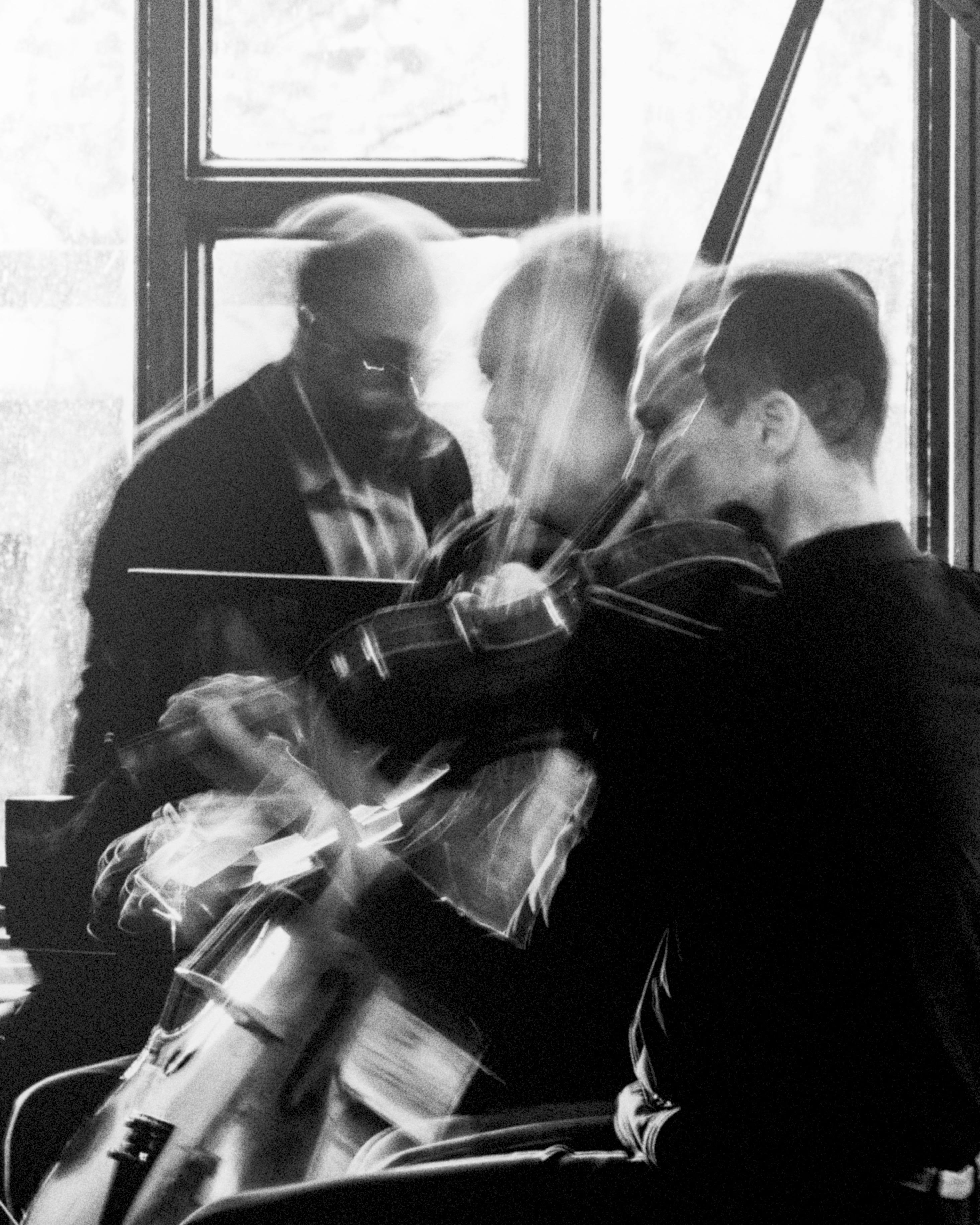
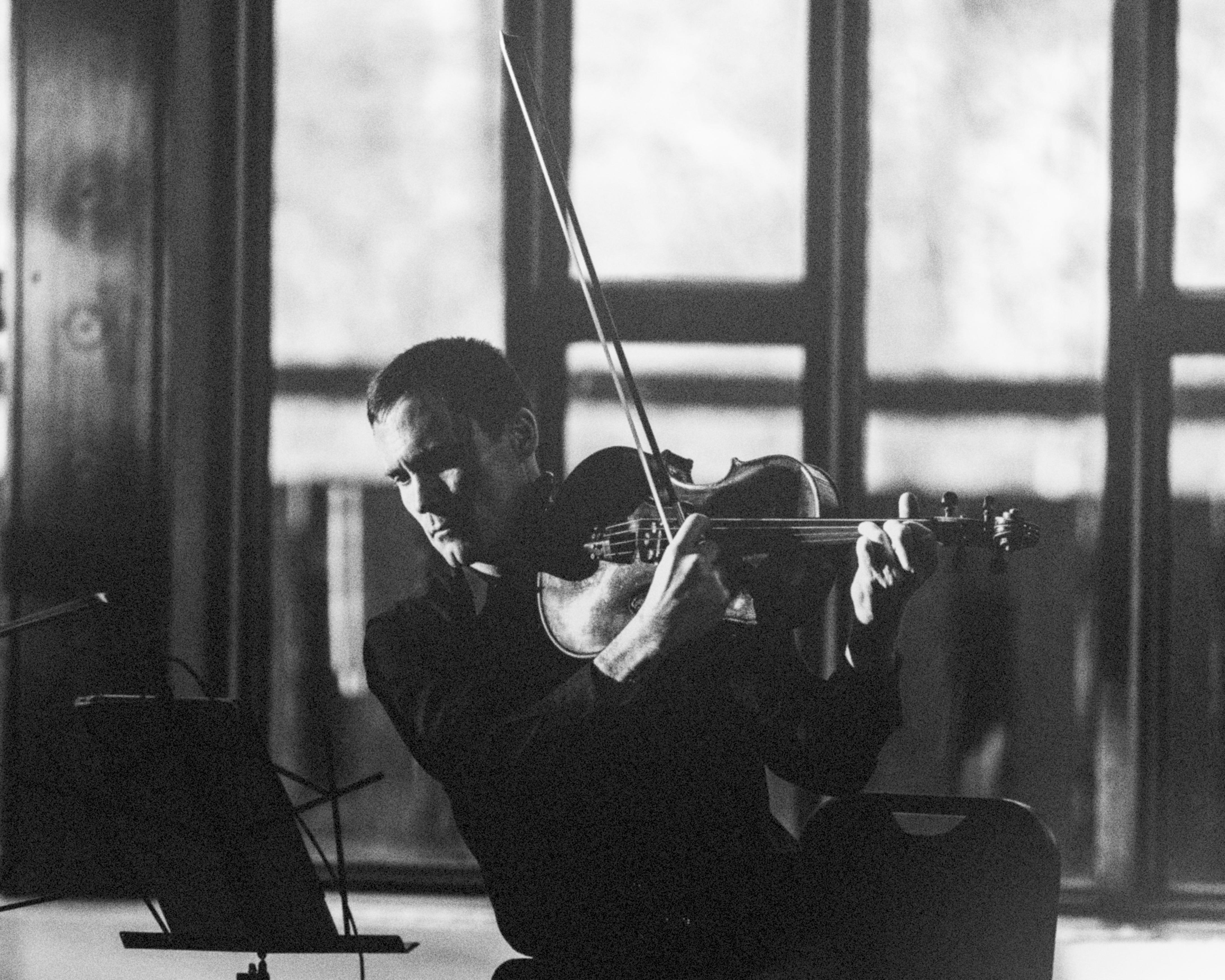
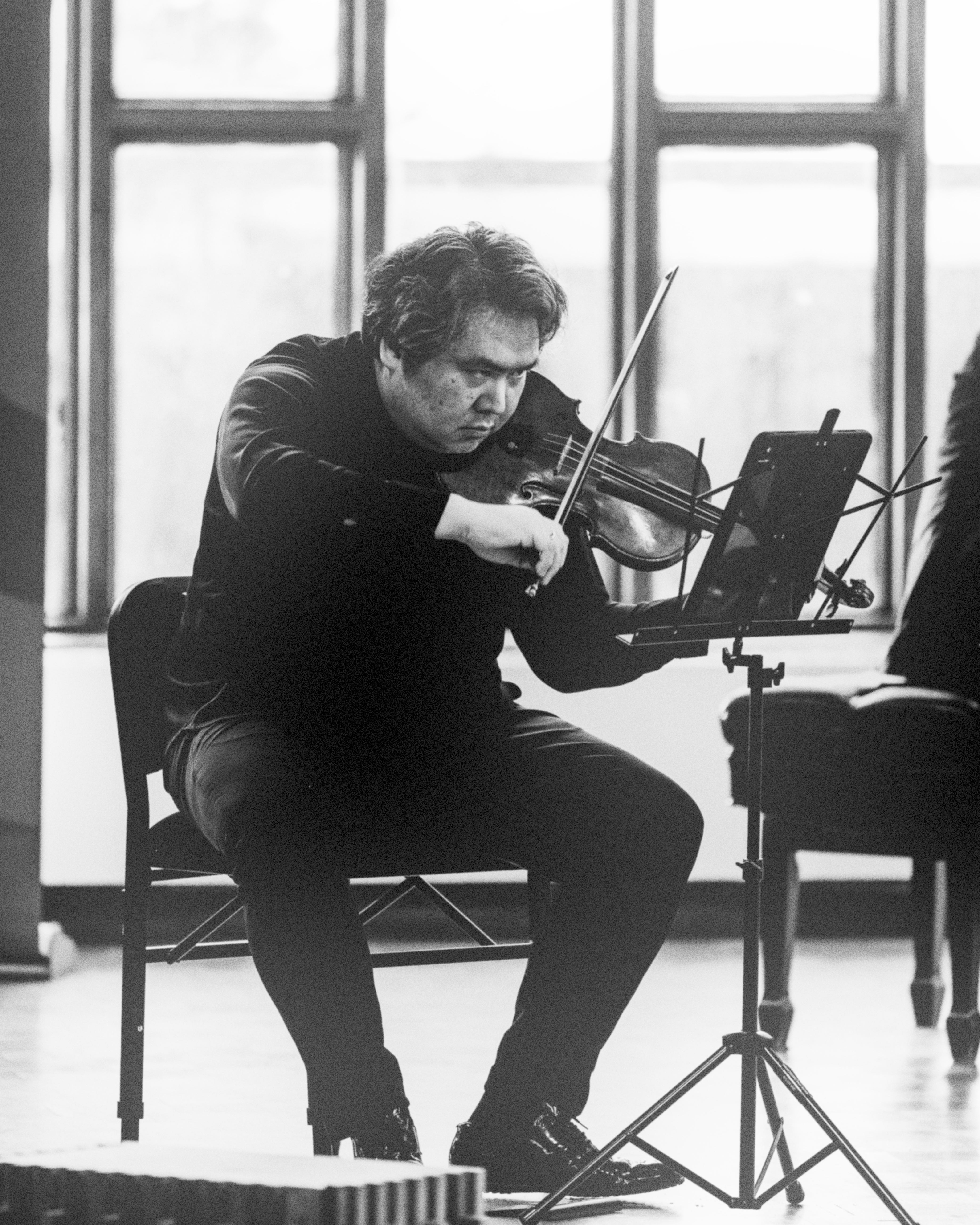
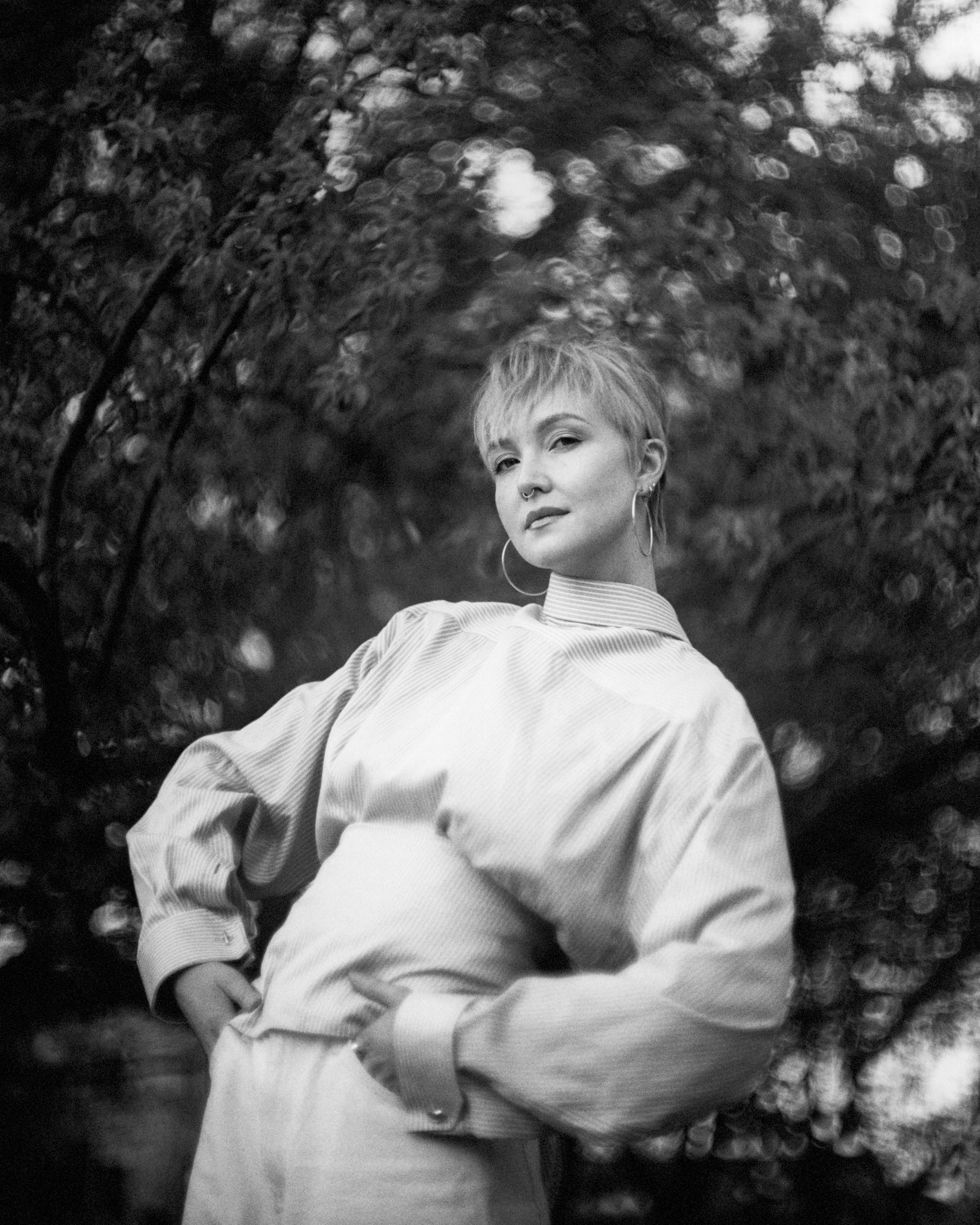
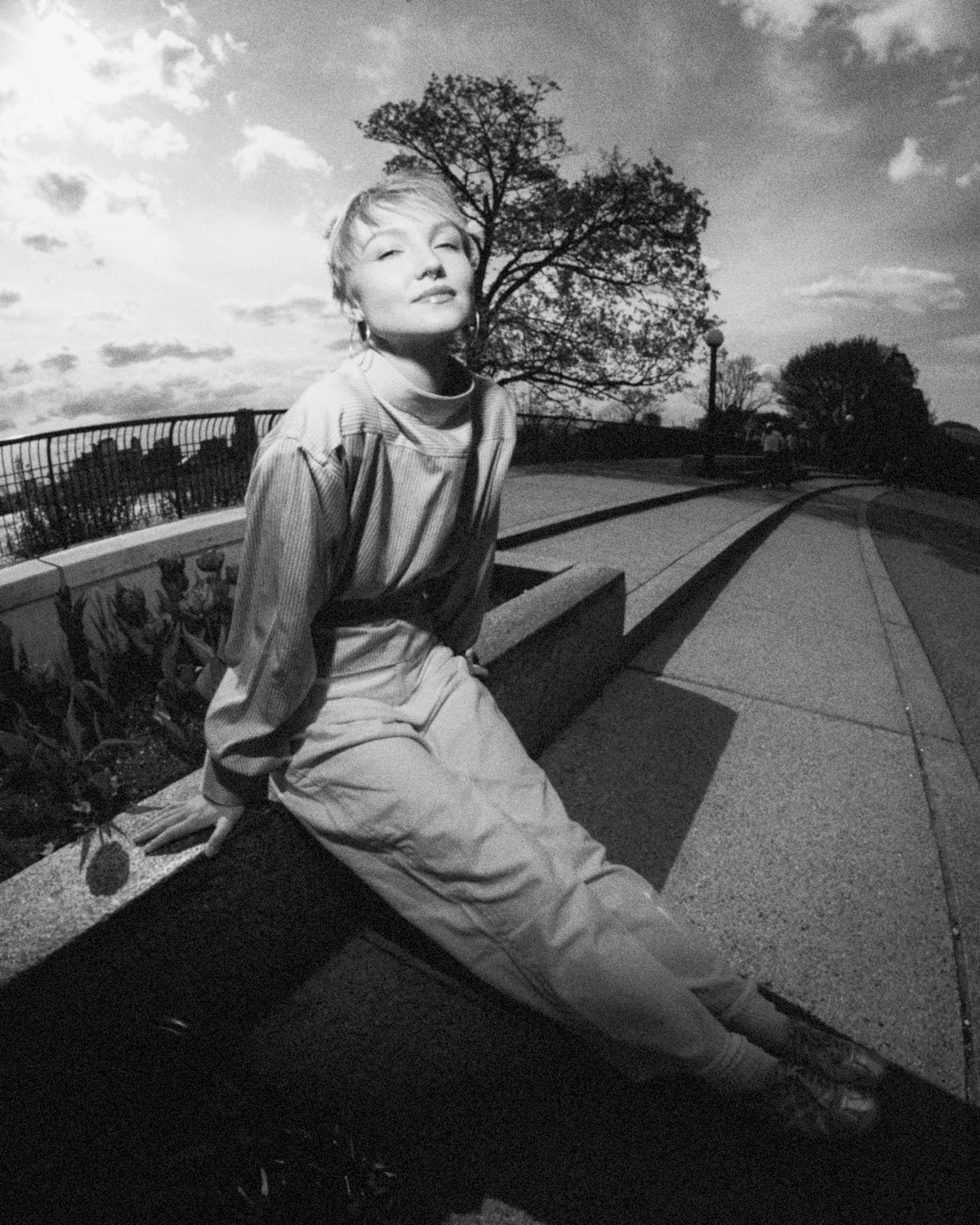
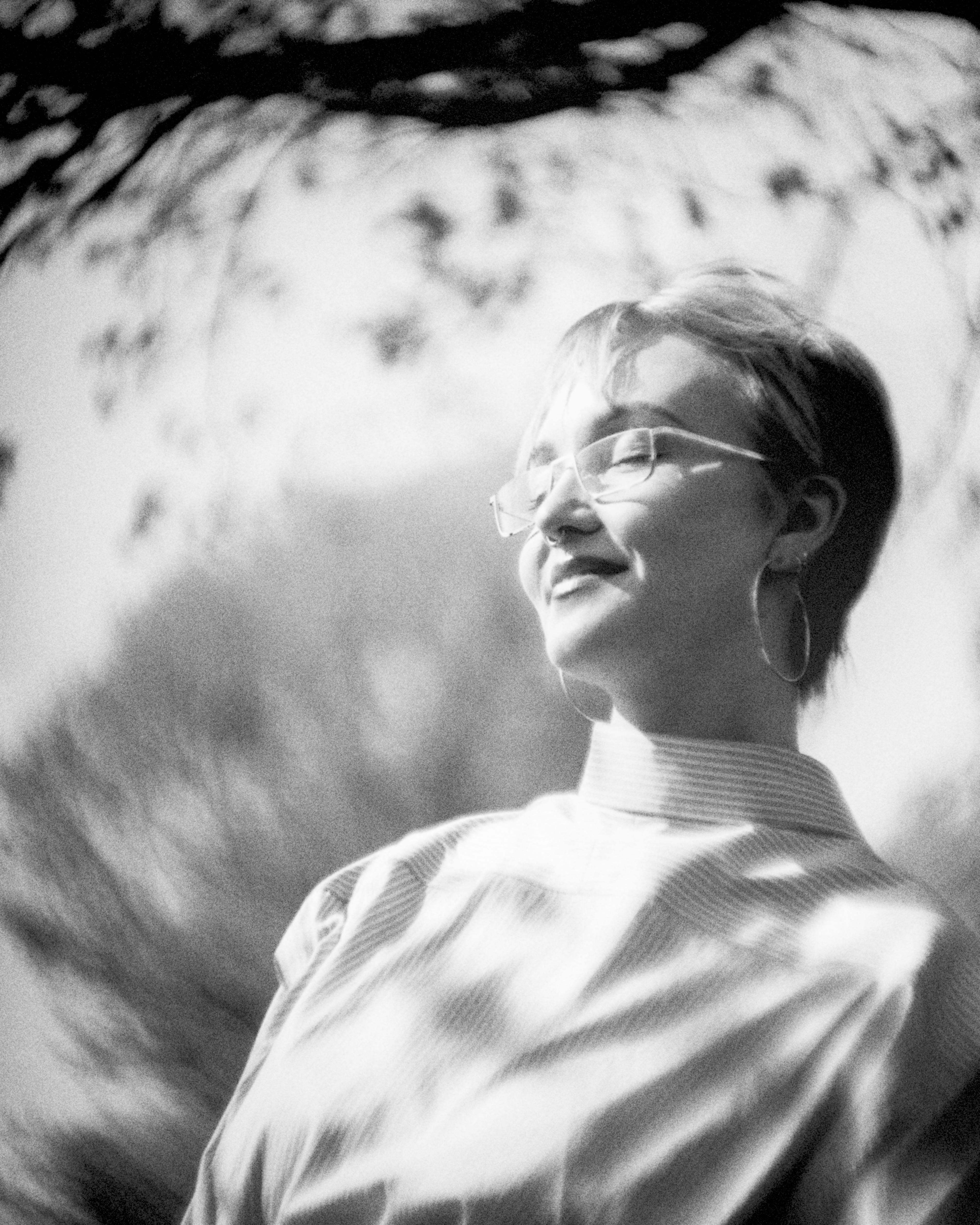
There is something human about showing the limitations of your tool... in low light or aggressive light, in scenarios of movement or transition... Even acknowledging that you're using a tool, through imperfections, blur and noise, preserves the essence of the moment because it commits to leaving the real, lived, full-definition experience to the people who were there.
It says, this is my interpretation, and I'm not hiding that.
This is the spiritual opposite of an AI generated LinkedIn photo!